Two leaders face the same crisis, a major client threatens to leave, revenue projections fall short, and team morale is dropping. The first leader snaps at their team, makes reactive decisions, and creates more chaos. The second remains calm, thinks clearly, and guides their team through the challenge effectively.
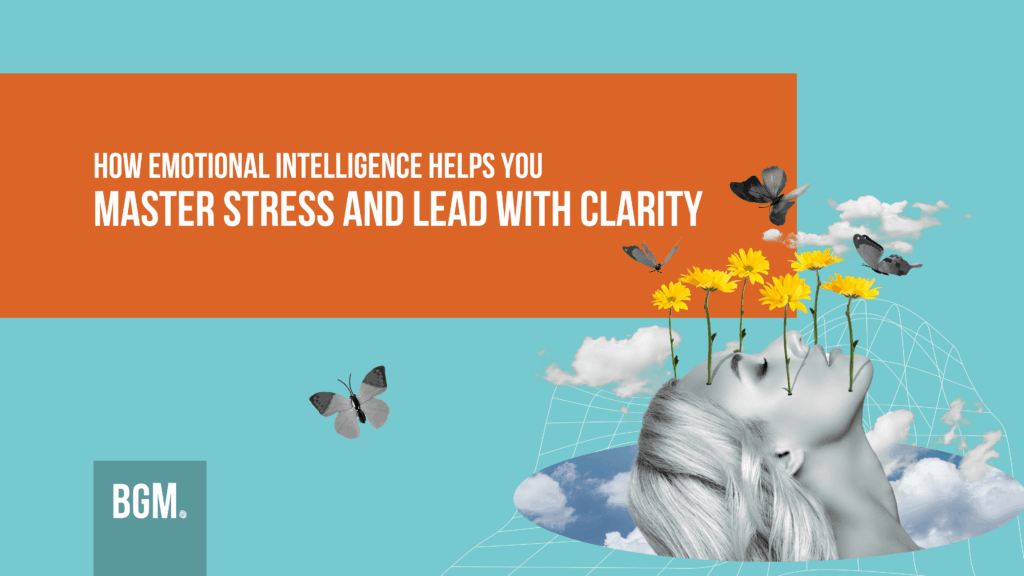
The difference isn’t intelligence, experience, or even skill. It’s emotional intelligence, the ability to recognise, understand, and manage emotions in yourself and others. This capacity becomes most valuable precisely when stress levels rise and clear thinking matters most.
How Emotional Intelligence Helps Manage Stress
Emotional intelligence isn’t about suppressing emotions or pretending everything is fine. It’s about developing the awareness and skills to navigate emotional experiences without being controlled by them.
Recognising Stress Signals Early
People with high emotional intelligence notice stress building before it becomes overwhelming. They recognise physical symptoms like tension, changes in breathing, or disrupted sleep. They notice emotional shifts like increased irritability, anxiety, or withdrawal.
This early recognition creates opportunities for intervention. Rather than waiting until stress reaches crisis levels, emotionally intelligent individuals can implement coping strategies while problems remain manageable.
Separating Response From Reaction
Stress triggers automatic reactions such as fight, flight, or freeze responses that helped our ancestors survive physical threats. But these automatic reactions rarely serve us well in modern business challenges.
Emotional intelligence creates space between stimulus and response. When something stressful occurs, you can pause, assess the situation, and choose how to respond rather than reacting automatically. This pause might last only seconds, but it fundamentally changes outcomes.
Maintaining Perspective Under Pressure
Stress distorts thinking, making challenges seem larger and resources seem smaller than they actually are. Emotional intelligence helps maintain an accurate perspective even when pressure increases.
This doesn’t mean minimising genuine problems. It means seeing situations clearly rather than through the distorting lens of stress and anxiety. A clear perspective enables better problem-solving and more effective action.
Building Emotional Regulation Skills
Emotional regulation, the ability to manage your emotional state is a learnable skill that improves with practice. Many successful leaders work with a business coach to develop emotional awareness.
Name The Emotion
Research shows that simply naming emotions reduces their intensity. When you can identify “I’m feeling anxious about this presentation” or “I’m frustrated by this delay,” the emotion becomes less overwhelming.
This naming process activates the prefrontal cortex, which helps regulate the amygdala’s stress response. The simple act of labelling feelings creates neurological changes that support better emotional management.
Develop Physical Regulation Techniques
Your body and emotions are deeply connected. Physical interventions can shift emotional states remarkably quickly. Controlled breathing techniques, particularly extending exhales longer than inhales, activate the parasympathetic nervous system and reduce stress responses.
Regular exercise provides both immediate stress relief and long-term resilience. Adequate sleep, proper nutrition, and movement throughout the day all support emotional regulation.
Practice Cognitive Reframing
How you interpret events dramatically affects your emotional response. Cognitive reframing involves questioning automatic interpretations and considering alternative perspectives.
When a client cancels a meeting, you might initially interpret it as a loss of interest. Reframing asks: Could they be dealing with an emergency? Might they need to reschedule for legitimate reasons? This doesn’t mean ignoring genuine concerns, but it prevents unnecessary stress from catastrophic interpretations.
Build Recovery Practices
High-stress periods are inevitable, but recovery practices prevent stress from accumulating to damaging levels. This might include daily meditation, regular exercise, time in nature, creative hobbies, or strong social connections.
These aren’t luxuries for when stress is low, they’re essential practices that maintain the capacity to handle stress when it’s high. Just as athletes need recovery time between intense training sessions, professionals need recovery practices between high-stress periods.
Contributing To Resilience In High-Pressure Environments
Resilience, the ability to bounce back from setbacks and maintain performance under sustained pressure, depends heavily on emotional intelligence.
Maintaining Optimism Without Denial
Resilient people maintain optimism about eventual outcomes whilst acknowledging current challenges honestly. This isn’t toxic positivity that ignores problems, but rather confidence that difficulties can be overcome through effort and adaptation.
Emotional intelligence enables this balance. You can feel frustrated about a setback whilst believing you’ll find solutions. You can acknowledge anxiety whilst maintaining confidence in your ability to navigate uncertainty.
Learning From Difficult Experiences
Resilience grows through successfully navigating challenges. But this learning requires emotional intelligence to process difficult experiences productively rather than being overwhelmed or becoming defensive.
After a significant setback, emotionally intelligent individuals can reflect on what happened, what they learned, and how they’ll approach similar situations differently. This reflection builds genuine confidence based on experience rather than hollow reassurance.
Building Support Systems
No one maintains resilience in isolation. Strong relationships provide emotional support, practical help, and different perspectives during difficult periods.
Emotional intelligence supports building these relationships through empathy, effective communication, and genuine interest in others. The support systems you build during good times become crucial resources during challenging ones.
Maintaining Purpose And Meaning
Resilience is easier when stress serves larger purposes that matter to you. Emotional intelligence helps maintain a connection to your values and long-term objectives even during difficult short-term periods.
When you remember why you’re doing difficult work or pursuing challenging goals, temporary setbacks feel more manageable. The stress serves a purpose rather than feeling meaningless or overwhelming.
Applying Emotional Intelligence As A Leader
Leaders with high emotional intelligence create environments where teams can perform effectively even under pressure.
Model Emotional Regulation
Your team watches how you handle stress. When you remain calm during a crisis, think clearly under pressure, and maintain optimism whilst acknowledging challenges, you demonstrate that stress is manageable.
This modelling is particularly powerful for developing future leaders. They learn not just what to do, but how to be during difficult periods.
Create Psychological Safety
Teams perform best under pressure when people feel safe acknowledging concerns, asking questions, and admitting mistakes. Emotional intelligence enables creating this safety whilst maintaining high standards.
Support Team Emotional Wellbeing
Recognise signs of stress in team members and provide appropriate support. This might mean adjusting workloads, providing additional resources, or simply acknowledging that pressure is high whilst expressing confidence in the team’s ability to handle it.
The Long-Term Benefits Of Emotional Intelligence
Developing emotional intelligence provides compounding benefits over time. Better stress management leads to better health, stronger relationships, clearer thinking, and more effective leadership. These benefits create positive cycles where improved emotional intelligence supports better outcomes, which further strengthen emotional capacity.
Perhaps most importantly, emotional intelligence enables sustained high performance without burnout. You can handle the inevitable stresses of ambitious work whilst maintaining wellbeing and effectiveness over decades rather than burning out after years.
Stress is inevitable in any meaningful pursuit. Emotional intelligence determines whether stress destroys performance or becomes manageable background noise whilst you do your best work.
Understanding how to manage stress effectively is also crucial when developing strong teams – learn more in our article on Empathetic Leadership – Understanding and Supporting Your Team. For more on building sustainable high performance, see our article on Strategies For Preventing Burnout & Promoting Well-being.
If you’re a business owner in Adelaide looking to develop emotional intelligence and stress management capabilities, working with a business coach in Adelaide who understands the unique pressures of entrepreneurship can provide invaluable support. For leaders specifically, executive coaching focused on emotional intelligence can transform how you lead under pressure.
Thank you for being part of our Business Life community. If this has changed how you think about stress and emotional intelligence, share it with a leader who needs these tools. If there’s a topic you’d like us to explore in future newsletters, let us know. Let’s keep building the capacity to perform brilliantly even under pressure.
Live with purpose,
Kristian Livolsi and the Business Growth Mindset Team